

There's a growing idea doing the rounds that the UK's move to mandatory e-invoicing is about to create a brand new market, built entirely around Peppol and structured invoice exchange.
It won't.
What it'll actually create is the chance to combine two things that already exist: an internationally recognised interoperability network, and decades of expertise from the UK's existing e-invoicing providers.
This isn't a choice between Peppol and the providers already doing the work. Together, they're the fastest route to nationwide adoption.
.png)
The UK's already ahead of the game
Plenty of countries that mandated e-invoicing started from nothing. The UK isn't one of them. There's already a mature community of specialist providers who've spent decades building:
- thousands of connected buyers and suppliers
- tried and tested onboarding processes
- ERP integrations
- supply chain networks
- invoice validation services
- finance automation platforms
These businesses have already cracked most of the problems the mandate is trying to solve. Replacing that capability would be a waste. Using it could get us there years faster.
The real challenge isn't technology, it's onboarding millions of businesses
Peppol is an excellent interoperability framework. It lets systems swap structured data in a common language.
But technology doesn't onboard a single supplier on its own. Existing e-invoicin providers already know how to do the hard part:
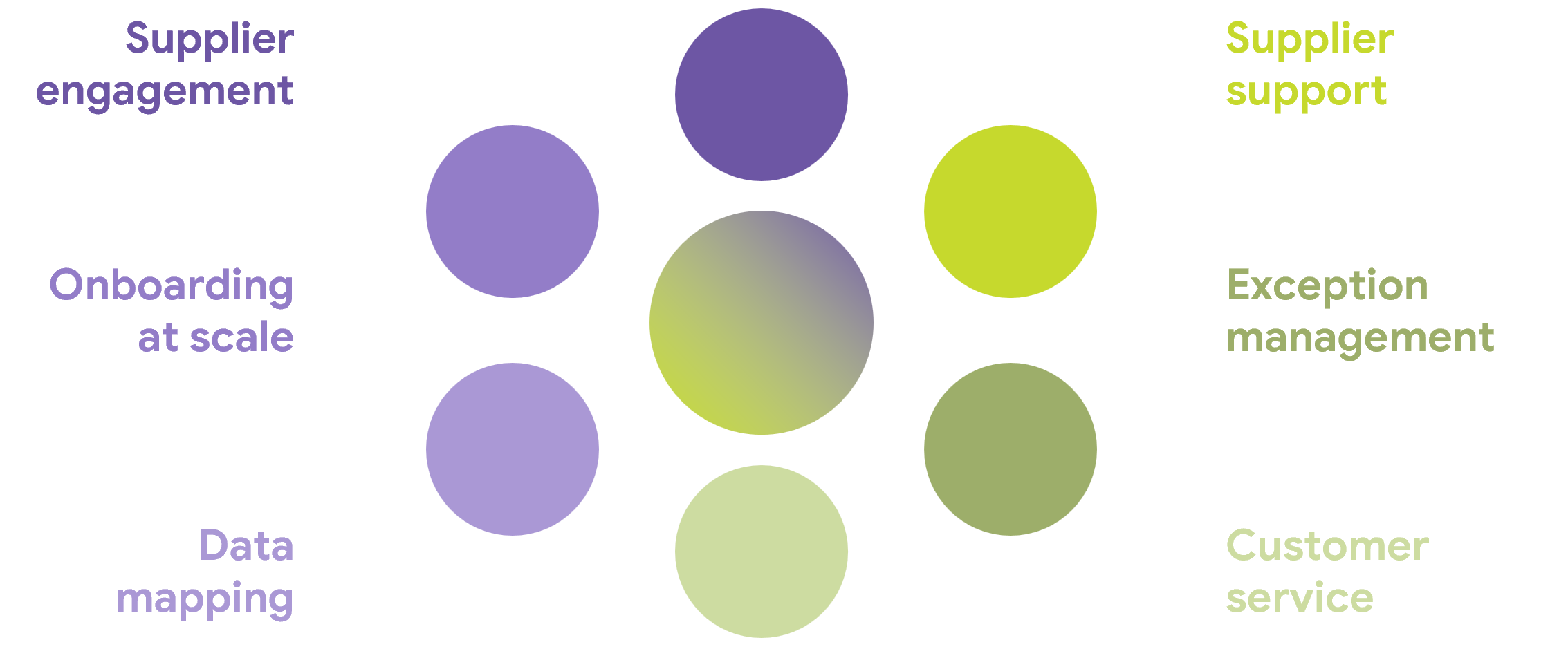
They've spent years building playbooks for moving businesses from manual invoicing to digital exchange. That's about to matter more than ever, because the UK now has to connect millions of VAT-registered businesses, not a few hundred pilot customers.
Existing providers understand what ERPs actually do, not what the brochure says
One of the biggest myths in e-invoicing is that every ERP can just send and receive structured XML on demand.
It can't. Every finance system is different. Some support APIs. Some generate XML. Some only produce a machine-generated PDF. Some need middleware bolted on. Some are stuck on old versions that will need an upgrade before any of this works.
Existing providers deal with this reality every single day. They know how finance systems actually behave, not how the vendor's sales deck describes them. That knowledge is going to save a lot of businesses a lot of wasted time and budget as they get ready for the mandate.
Peppol is one stop on a much bigger finance automation journey
Too often e-invoicing gets talked about as the finish line. It isn't. It's one piece of a much bigger finance operation.
Leading providers already deliver a lot more than invoice exchange:
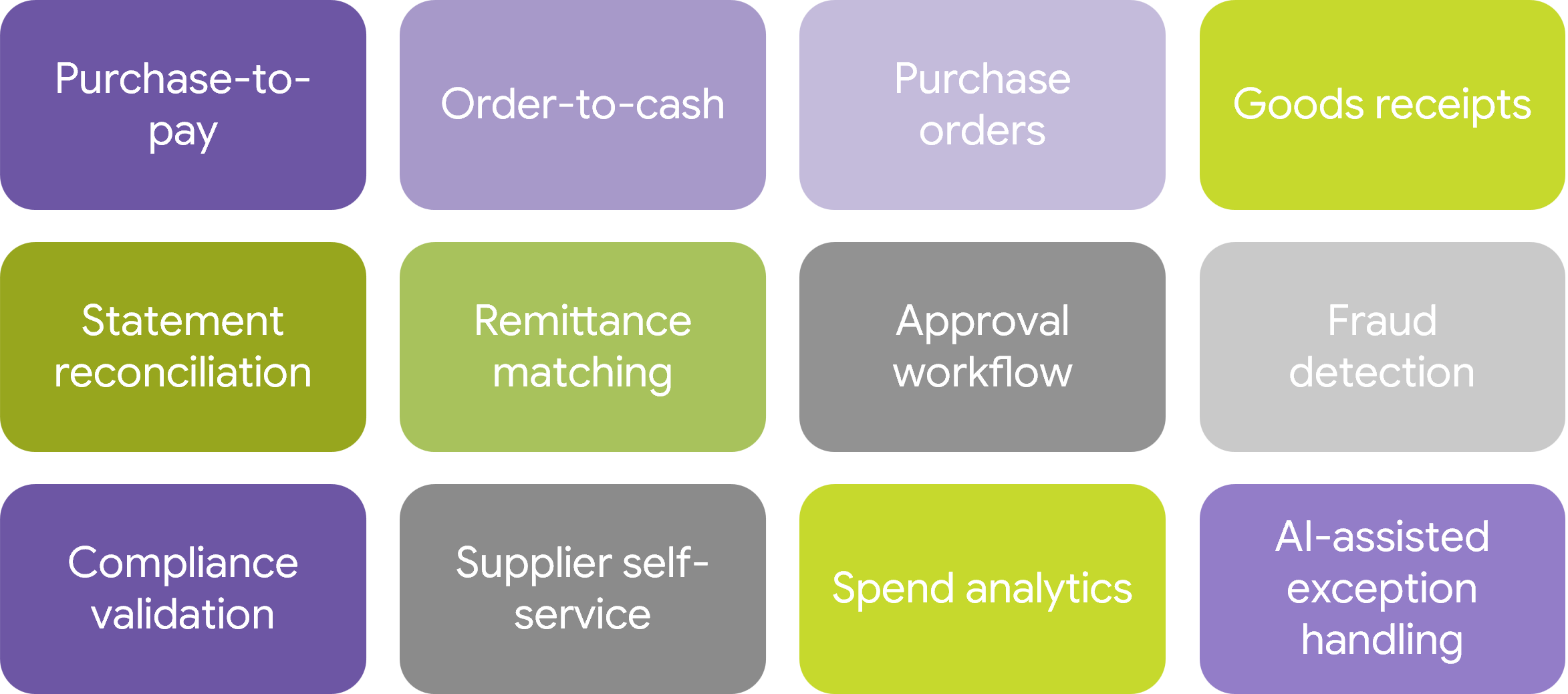
Structured invoices are worth a lot more when they sit inside an automated process end to end. That's where the real return on investment lives.
Status updates matter as much as the invoice itself
One thing that gets overlooked: suppliers care about visibility, not just delivery. They want to know:
- Has my invoice arrived?
- Has it passed validation?
- Has it been approved?
- Is it waiting on sign-off?
- When will I get paid?
Plenty of existing e-invoicing providers already offer supplier portals and workflow tools that answer these questions in real time. As the mandate evolves, that visibility across the whole invoice lifecycle is going to matter more, for fewer disputes, better supplier relationships, and fair payment.
Existing providers are built to innovate
One of the UK's real strengths is its fintech sector. Independent providers have proved, again and again, that they can move fast when customer needs change:
- AI-assisted onboarding
- PDF-to-XML transformation
- ERP integration
- fraud analytics
- workflow automation
- supply chain finance
That entrepreneurial streak is going to matter once the practical, messy challenges of a national mandate start showing up.
A connected ecosystem, not a replacement market
The UK's goal shouldn't be replacing today's e-invoicing providers. It should b connecting them through one common interoperability framework.
Peppol provides the network. Existing providers provide the expertise, the services and the customer relationships built around it. Put the two together and you get an ecosystem that does a lot more than simple invoice exchange.
Success depends on partnership
The government keeps talking about co-creating this with industry. That principle matters.
Getting this right means harnessing the experience of the organisations that have already spent years solving the practical problems of digital invoice exchange: onboarding, supplier engagement, ERP integration, automation, finance transformation.
Existing providers aren't competitors to the mandate. They're one of its biggest advantages.
If the UK brings Peppol's interoperability together with the expertise of its established e-invoicing providers, it has a real shot at building one of the most practical, scalable, business-friendly e-invoicing ecosystems anywhere in the world.
Bringing it together
The government's ambition here isn't just to swap paper for structured data. It's to lift productivity, cut the admin burden on businesses, strengthen compliance and speed up digital transformation across the economy.
Peppolis a critical part of that vision. It's not the whole solution.
Existing e-invoicing providers, us included, already connect tens of thousands of businesses. We understand how finance systems and supply chains actually behave, and we already deliver the automation services businesses rely on everyday.
The UK's biggest opportunity isn't choosing between Peppol and existing providers It's bringing them together: open interoperability, backed by decades of practical experience, innovation and customer success.

