The same deadline lands differently on every desk
What the CFO needs to know
This is a cash flow and compliance question before it's a technology one. From April 2029, VAT invoices must be issued in a specified electronic format, not just a PDF. That's not a problem though, PDFs aren't going anywhere, they just need a provider turning them into the structured wrapper the mandate wants.
Treat it as a project, not a panic: Open ECX customers go live in 4-6 weeks.
Businesses that start now aren't doing more work than the ones who hold off, they're just capturing the benefit sooner.
You don't need a new ERP to comply. No system migration to explain upward, just a straightforward budget line: readiness, not a rebuild.
What the Head of AP needs to know
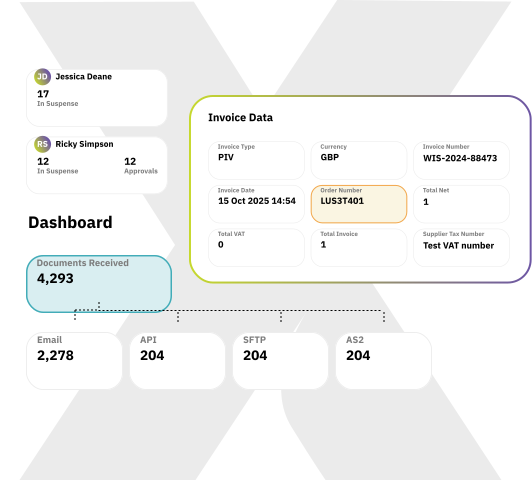
Your world is volume, exceptions and the team: how many invoices land, how many need a human to untangle, and who's left doing it. Your suppliers, PDF senders included, can carry on sending invoices exactly the way they always have, we handle the format work behind the scenes so it's not you or your team chasing it down.
Volume isn't the bottleneck it
used to be: we process 98% of Arco's orders and invoices in under 70 seconds.
used to be: we process 98% of Arco's orders and invoices in under 70 seconds.
Structured data means 100% accuracy: invoices match line by line against POs and goods recieved notes, with no re-entry.
For suppliers on Peppol, that's just adding an ID. For everyone else, we connect them, zero changes to their systems.
What the IT / ERP owner needs to know
Peppol connectivity sits alongside your ERP, not inside it. The right provider handles sending and receiving structured data over the network, so your systems don't have to change. Your questions are integration, data quality and change control, so pick a route that plugs into what you already run.
Open ECX loves your existing ERP. We're a recognised Peppol Access Point that connects to what you've got, no disruption, no lengthy integration project
Every invoice is validated against the required structured format before it reaches your ERP, with a full audit trail from receipt to processing
When the mandate's technical detail changes, we absorb it on our side. No new project, no changes to your ERP, no disruption to your existing change-control process.